The Executive Team and Organizational Resilience
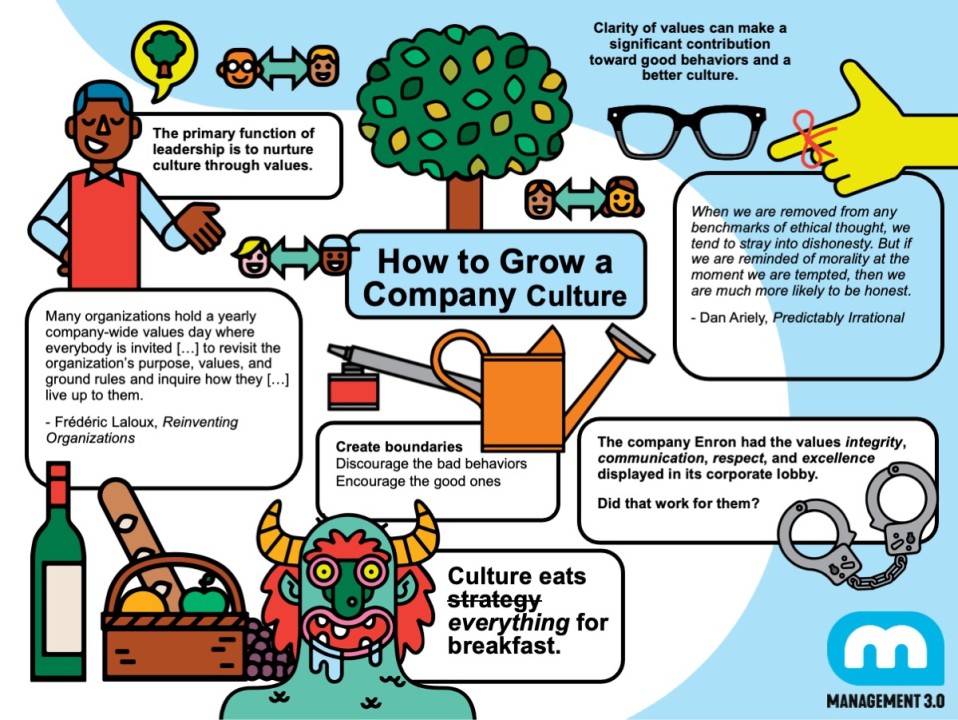
I have written in this space about the significance of an executive team, aligned on the values and vision of an organization. How it facilitates culture building, synergy and sustainable growth. After all, an enabling culture is the most important and sustainable source of competitive advantage for an organization.
As so many of you have also commented on my earlier post, to find such an aligned executive team seems more an exception than a norm, in the corporate context.
Reflect about the issue and the reasons are not far to seek.
Take the practice of promoting people from within- from the 1st line managers to all the way up to the top team. Almost sole consideration is demonstrated operational performance of the person.
The style of driving the business, the ability to align and carry the stakeholders along, the values of the person and how these support the kind of values and culture we want to promote, don’t seem to get factored or engage the minds of the people who take these decisions, in a large no. of organizations. And when we decide about promotions in this manner, we send out a message in the organization – results are what matters here. How you achieve them is of little or no consequence.
There are of course, exceptions to this norm.
Not that operational performance is not important. Of course, it is. But do we have to stop there, particularly when we are filling a senior managerial position or the CXO slot for that matter? And if we cannot find a person who delivers superior performance and is also aligned with the values and culture of the organization, it speaks about the kind of people we have been supporting at the highest level.
If the leadership at the top really cares to promote certain values and culture in the organization, can we not factor these at the time of inducting people in such roles? Though I am a strong votary of leadership development efforts, we must not lose sight of the fact that values and attitudes are extremely hard to influence. Therefore, there is a need to factor this aspect while choosing people for key leadership roles. And howsoever imprecise, there are ways to gauge the attitude and values of a person.
It’s a similar story when leadership talent is scouted and inducted from outside – either by the internal HR team or by the executive search people. It’s the demonstrated track – record (read operational performance) that is looked at, at every stage of the screening – external as well as internal. Is it because it is easier to find out or measure? That obviously cannot be a good-enough reason to ignore the other side of the person that impacts the organizational resilience in the long run.
This is all the more surprising when you see increasing evidence / acceptance of the view that values of the top team shape the culture an organization i.e. possibly the most sustainable source of competitive advantage.
The story in the organizations that have excelled and sustained their performance for decades and centuries, seems quite different. There is large no. of examples of how values form the core of people related decisions of such companies, in India and globally. While volumes of literature on this can be found on the net, I am tempted to share something I heard recently from one of the most outstanding and celebrated Indian leaders- Harish Manwani, former Chairman of Hindustan Unilever and former global Chief Operating Officer of Unilever. Speaking at the session hosted by Bombay Management Association, Mr. Manwani shared how the 3Ms were his guiding mantra when he visited different parts of the world (as the COO of Unilever) to review the performance of the region: One M meant review of Market share; the 2nd M was for Margins and the third M was for the Mood i.e. are your people happy? And to see that, he would want to look at the employee engagement score in his business reviews. It is this integrated view of looking at business and people with the same priority that sustainable organizations are built on.
I sincerely hope that more and more people in the leadership roles develop this holistic thinking about business and more and more people in enabling roles like mine (within an organization or outside) continue make a strong business case for it. That’s how values and culture can be fully leveraged to build resilient organizations.
– Pramod Solanki, Ph. D.