The Executive Team
To say that executive team of an organization drives its success or failure is to state the obvious. After all, it is this team that sets targets, crafts strategy, designs structure and processes and sets the foundation for culture.
Yet, the percentage of top teams that fall in the excellence bracket seems rather small.
A recent (2023) survey of senior executives by Centre For Creative Leadership brought out 65% of the respondents saying that their executive teams experienced clash between functional and enterprise accountabilities – one of the key metric for top team effectiveness.
Only 1 out of 5 respondents in the survey said that their executive teams were effective.
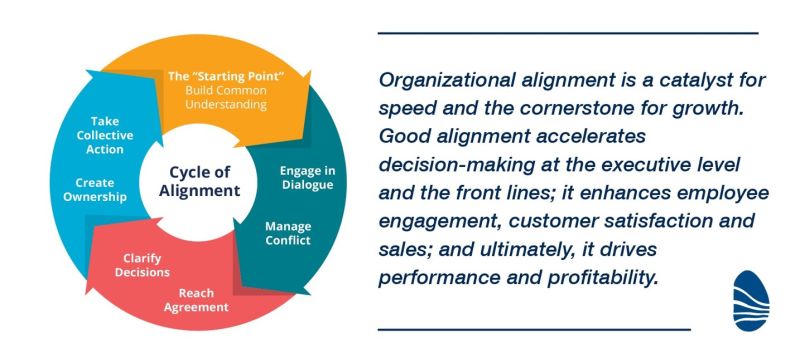
While there are many issues that the team effectiveness, two of the most important ones are: a)Lack of balance in functional and organizational responsibilities and b)Alignment- on shared goals, strategy and day-to-day working styles.
Think about an average organization, and the reasons for this are not far to seek.
Unless they have grown in the same organization, executive team members are likely to have very different mindset and ways of working. After all, they come from different professional backgrounds and have grown in different cultures.
On top of that, the CEOs engage with the members of the top team primarily to review/discuss issues of their respective business verticals/functions. Only occasionally organizational matters are discussed with them.
Not that there are no opportunities for the CEOs / Entrepreneurs to engage with them on organizational goals / matters and set expectations. Here are a few that readily come to my mind:
1. Almost every business opportunity requires more than one vertical / function to deliver the best possible value and experience to the customer. ‘Did we work seamlessly and leverage each other’s strength in the best possible manner?’ Can be a very useful point for reflection and provide direction around cross-functional synergies for the future.
2. When the top team deliberates to craft strategy, are the members driven by protecting their turf or focused equally on the best possible organizational outcome? A useful datapoint for one-on-one discussions with the members to reinforce the balance.
3. Do the members have clear visibility of how their individual vertical/ functional goals and performance are impacting the shared, organizational goals and performance? Clarifying these and reinforcing them at every available opportunity can set the ball rolling.
4. Do they have clearly agreed set of behaviours in the top team, particularly when it comes to the interface / collaboration with other verticals / functions? If not, facilitating that at every available opportunity.
And so on.
As we engage in these discussions, other issues (trust deficit/nature of relationships with other members, capability gaps etc.) surface and we have an opportunity to address them.
Are you leveraging these opportunities?
#management #leadership