
The People Factor
To say that an engaged workforce is a major competitive advantage is to state the obvious.
For those who may want to see the empirical evidence can look at the enormous amount of data provided by @Gallup and @Great Place to Work Institute for many decades now. Here are a few highlights about businesses with engaged employees:
Gallup (2022)
Ø Higher profits compared to those with disengaged workers
Ø Higher customer loyalty
Ø Lower absenteeism, employee turnover and accidents
Great Place to Work Institute (2023)
Ø Companies with high-trust culture are more profitable and have higher stock-market returns
Ø Much lower employee turnover
Ø Much higher levels of innovation
For more on this, you can refer to the report by Harvard Business Review Analytics Services (2013) titled “The Impact of Employee Engagement on Performance”.
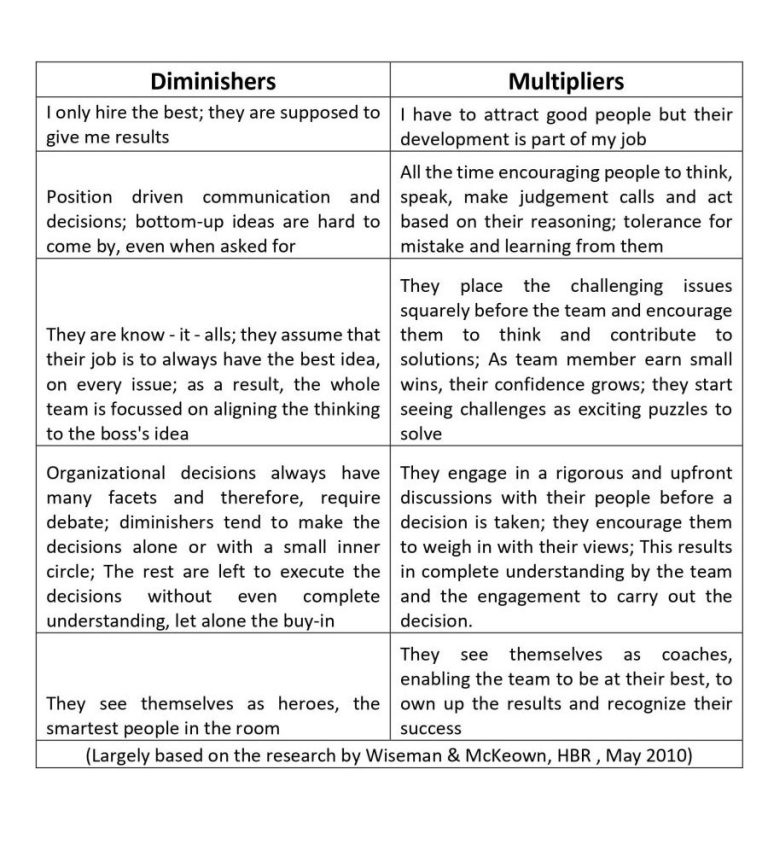
While many factors contribute to engagement of employees, the most significant impact comes from the managers who oversee the day-to-day work of front-line workforce.
And as we know by now, managers emulate their seniors’ behaviour. Like the legendary #stevejobs said more than a decade ago – “What happens at the top, filters down to the rest of the organization.”
To my mind, here is the basic question to reflect on for the boards and the CEOs: “Is our top team driving people to deliver on the targets or, are they creating conditions where employees are passionate about excelling on the job?”
And there are tools available to answer the question.
Actually, a large no. of organizations does carry out the assessment.
What is largely missing is the follow through after assessment i.e. how do we bridge the gap and move the needle towards a more engaging style to manage people?
Some do initiate actions after the assessment but they go all over the place and spread themselves too thin. Others task their HR teams to handle it, and so on. The result – after a couple of months, the operations pressure takes over and the follow up plan gathers dust.
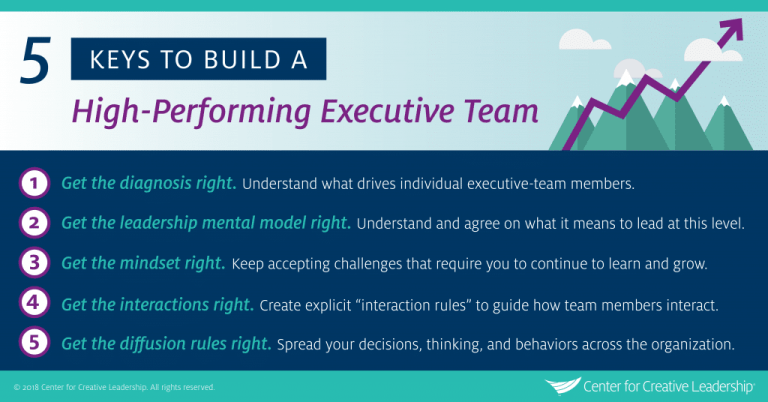
Start at the top. Employee engagement is a strategic issue and deserves to be on agenda of the CEO and the board. Nothing less will do.
The no. of the people at the top team being small, you can offer personalized support (coaching, action-learning, facilitating communication and connect with their 2nd line and with the team as a whole etc.) to enable the shift towards a more engaging style.
Once you crack it the top, the shift will trickle down to the rest of the managerial hierarchy and to the organization as a whole.
You can also institute processes to reinforce this shift until it gets institutionalized i.e. it becomes a way of working.
As the HBR (2013) report referred earlier found, there is a small group of companies (they called them ‘high prioritizers’) that has done well in terms of follow-up actions and have benefitted substantially.
What’s your experience?